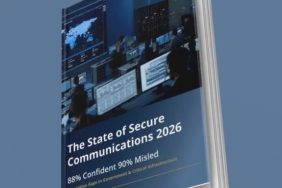
A new global study highlights a severe vulnerability in national defense as public officials routinely conduct confidential business on commercial chat platforms.
Critical infrastructure operators and government entities are inadvertently surrendering control over their sensitive data by utilizing mass-market communication applications. According to the newly published “State of Secure Communications 2026” report by BlackBerry Secure Communications, 83% of security executives admit that their organizations rely on WhatsApp for highly confidential discussions. This widespread adoption persists despite mounting evidence that commercial platforms lack the architectural rigor required for classified exchanges.
The research exposes a significant sovereignty paradox within top-tier institutions across the United States, the United Kingdom, Canada, and Singapore. While more than half of the 700 surveyed decision-makers cited sovereign control over communications as a top priority, a staggering 98% continue to operate on foreign-hosted infrastructure. This reliance leaves vital state secrets and operational directives subject to foreign data-access laws and vulnerabilities.
“Consumer messaging apps were never designed to handle sensitive communications, protect confidentiality, or meet the demands of high-security environments. They rely on phone numbers, not verified identities – and encryption protects the channel, not who is on it.”
Fears regarding infrastructure surveillance are escalating, with 52% of leaders expressing anxiety over potential telecom network disruptions or espionage. Recent state-backed cyber campaigns, including the Salt Typhoon infiltrations and the UNC3886 attacks in Singapore, have demonstrated the tangible reality of these threats. In response, intelligence agencies are urging a rapid transition toward specialized, government-grade communications networks that guarantee absolute data ownership.