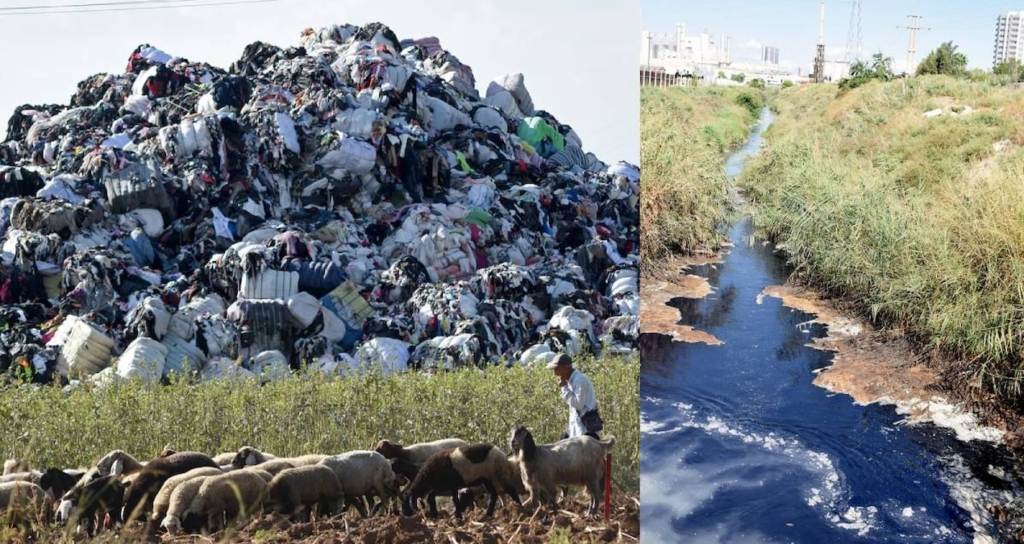
Surging imports of European plastic scrap into Turkey have triggered severe environmental degradation across Mediterranean shorelines and farmland, as scientific assessments reveal critical microplastic concentrations in southern irrigation networks and coastal waters ahead of the upcoming COP31 climate conference in Antalya.
Brightly colored, nail-sized synthetic particles are washing ashore along Adanalıoğlu Beach, which spans the Mediterranean coast near Antalya. Irrigation canals feeding the Seyhan River, discharging into the sea approximately 12 miles away, carry visible debris loads, while residual sludge taints agricultural soil and open combustion releases toxic emissions.
Local fishers and agricultural workers report immediate impacts on daily operations. Speaking to Bloomberg, 46-year-old amateur fisherman Ahmet Takar noted:
“I once found a small, turquoise piece of plastic inside a sea bass. The fish have decreased in recent years.”
Farmland in the surrounding Adana province faces similar challenges from fragmented residues. Hasan Aktaş, a 38-year-old farm laborer, stated:
“Last week, I was spraying a tangerine orchard, and the sprayer suddenly stopped. I opened the filter and saw that it was full of tiny plastic pieces. Plastic is everywhere. There is nothing we can do about it.”
Scientific Studies Detail Escalating Microplastic Load
Academic research confirms substantial contamination in regional waterways. A Çukurova University study published earlier this year found microplastic density—synthetic debris measuring under five millimeters—up to 132 times higher downstream of recycling plants in Adana than upstream. Industrial pellets and copolymers isolated exclusively downstream directly link the buildup to processing facilities.
The wider Mediterranean basin faces acute contamination pressures. A 2024 study in Marine Pollution Bulletin showed that while the Mediterranean represents only 1 percent of global ocean waters, it holds roughly 7 percent of worldwide microplastics. Turkey generates 19.1 percent of the estimated 730 metric tons of plastic entering the Mediterranean daily, ranking second among more than 20 coastal nations behind Egypt.
Contamination is also entering the regional food chain, with Middle Eastern and North African commercial fish containing between 0.31 and roughly 60 microplastic particles per specimen. Hasan Sarpten, a member of the Cyprus-based Environmental Platform, highlighted the cross-border scale of the problem to Bloomberg:
“Shredded plastic continued to wash up on the shores of northern Cyprus throughout the summer. We may never know exactly where it came from. What we know is that the Mediterranean carries pollution from one coast to another.”
Import Growth and Trade Regulations
Turkey emerged as the primary destination for European scrap following China’s 2018 prohibition on foreign plastic waste imports. Figures from the European Commission and the Basel Action Network indicate that the United Kingdom and the European Union dispatched approximately 650,000 metric tons of plastic waste to Turkey last year.
Waste flows to Turkey could climb further after November 21, when an EU regulation prohibits plastic waste exports to countries outside the Organisation for Economic Co-operation and Development (OECD). Turkey retains OECD membership, maintaining its eligibility to receive shipments. Recyclers maintain that the trade generates domestic employment and supplies raw inputs to packaging, paper, textiles, and manufacturing.
Mehmet Başak, owner of Adana-based Kemaloğulları Plastik, which processes scrap from the UK, Ireland, Germany, Poland, and Belgium, explained his plant’s operations:
“We recycle about 80 percent of the plastic waste, and we send the rest to a local cement factory where it is burned as fuel.”
Başak added that larger import volumes support economic activity and local workforce needs:
“An increase in imports would be good for business and would help employ thousands of Syrian refugees.”
European Regulatory Scrutiny and Policy Debate
The cross-border waste flow faces mounting regulatory scrutiny in Brussels. An evaluation released by the European Commission in September identified marine degradation, wildlife harm, open burning, and illicit dumping linked to imported and domestic scrap in Turkey. The audit concluded that while inspections and fines have increased, persistent transparency and data tracking deficits undermine oversight, though it recommended continuing trade ties.
The Turkish Ministry of Environment, Urbanisation and Climate Change did not comment on the findings. A European Commission spokesperson defended current monitoring mechanisms for OECD destinations, maintaining that export permissions can be suspended if necessary and denying that the bloc offshores its environmental liabilities.
Virginijus Sinkevičius, a Member of the European Parliament for the Greens and former EU Environment Commissioner, strongly contested that position:
“Europe cannot demand higher environmental standards from the rest of the world while dodging responsibility for the waste it generates. If Europe’s plastic ends up polluting someone else’s rivers, soil, or communities, that is not recycling. That is subcontracting pollution.”
Domestic Targets and Zero Waste Framework
As annual global waste production surpasses 2.5 billion metric tons, international negotiations stalled last year over whether to restrict raw polymer production or prioritize collection and circular processing. Environment, Urbanisation and Climate Change Minister Murat Kurum stated in June:
“We aim to bring zero waste and methane reduction to the center of climate action.”
Domestic environmental groups urge strict caps on packaging, tighter trade constraints, and enhanced extended producer responsibility. Sedat Gündoğdu, a marine biologist at Çukurova University, advocated for an outright trade embargo:
“The only solution for recycling is to ban waste imports. Every country has its own waste to deal with. If they cannot export it, they will have to find ways to manage it themselves instead of shifting the pollution elsewhere.”
Official policy relies on targeted administrative restrictions rather than a complete import ban, aiming to expand domestic material recovery. Minister Kurum reported that Turkey’s recovery rate rose from 13 percent in 2017 to 37.5 percent in 2025, targeting 60 percent by 2035. Outlining international goals in September, Kurum said:
“Turkey’s Zero Waste initiative is among the 10 priority themes of the COP31 Action Agenda in Antalya and has been included in the 2035 Global Implementation Targets. The initiative is expected to serve as a model for recycling and circular economy practices worldwide.”