Rural communities across drought-affected regions of India have revitalized local water tables by lining porous riverbeds and catchment basins with thousands of tons of compacted clay. The traditional soil-sealing measure captured seasonal rains, preventing critical agricultural and drinking water wells from drying out during arid periods.
Previously, intense seasonal downpours drained rapidly away from the surface due to loose, permeable ground formations. This coarse subsoil left streambeds parched shortly after rainfall ceased, triggering persistent drops in village well levels and leaving surrounding farmland without adequate irrigation.
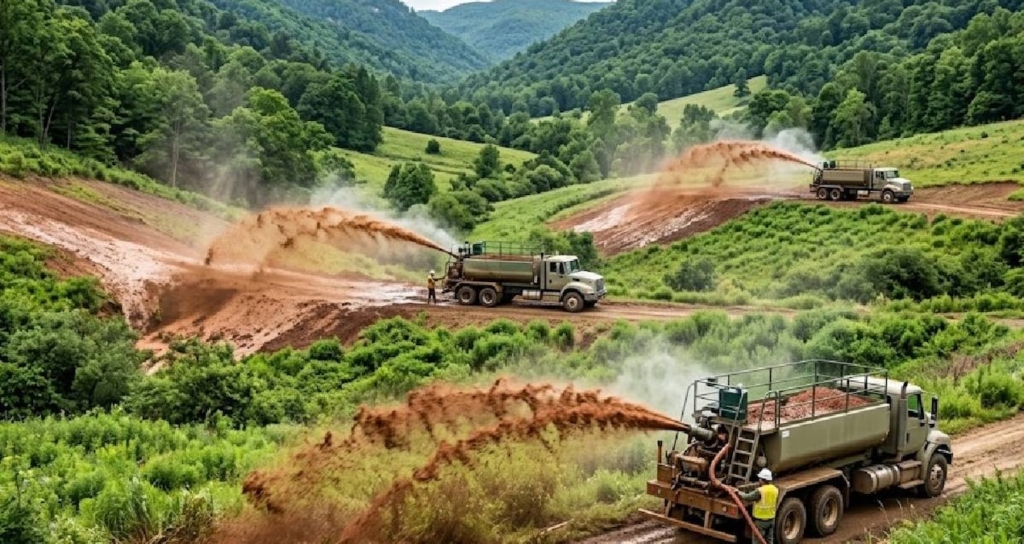
To retain freshwater within the hydrological basin, residents and technical experts transported large volumes of clay-rich earth to dry watercourses, valley basins, and natural depressions. Heavy machinery then compacted the layers into an impermeable barrier, utilizing clay’s natural expansion properties upon contact with water to seal microscopic soil pores.
The compacted earthen lining prevented uncontrolled runoff while maintaining a steady, regulated recharge of adjacent underground aquifers. By bypassing costly reinforced concrete dams, the site-level intervention has kept communal wells operational throughout severe dry seasons.