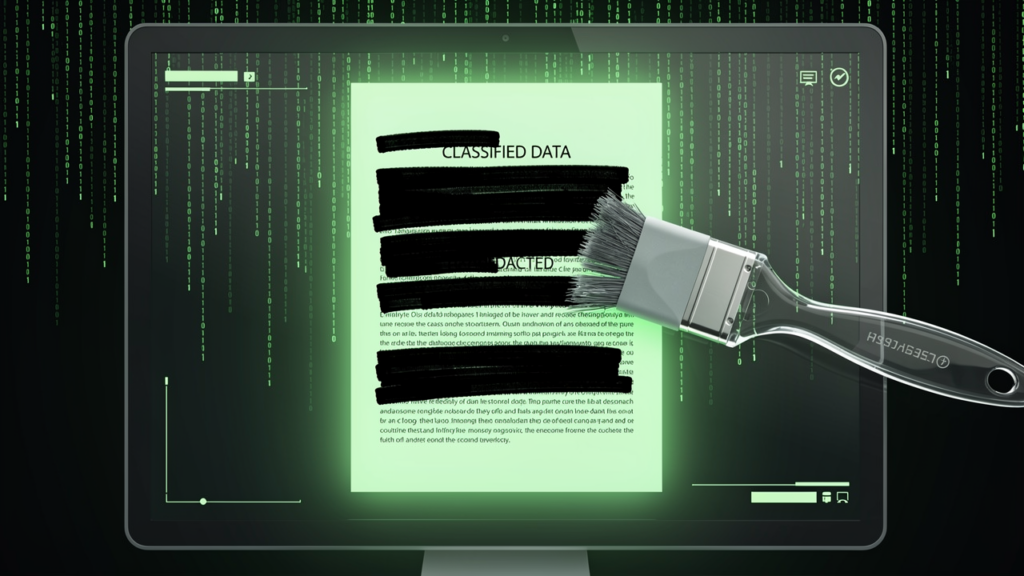
Lawmakers claim federal agents failed to comply with transparency laws, leaving critical evidence regarding sex trafficking ring hidden.
A congressional review of millions of pages of documents related to sex offender Jeffrey Epstein has uncovered systemic failures in how federal agencies handled the declassification process. Representatives Ro Khanna and Thomas Massie, the architects of the disclosure law signed by President Trump last year, assert that the FBI improperly influenced the release by retaining redactions made months prior to the law’s enactment.
The dispute highlights the friction between legislative mandates and executive agency protocols. Massie and Khanna contend that the Justice Department simply passed along FBI “302” forms—summaries of interviews—that had been sanitized by agents in March, rather than conducting the fresh declassification review ordered by Congress.
The “Sultan” and the CEO
The consequences of these administrative lapses were highlighted on Monday night outside the Department of Justice. Lawmakers revealed that a list of 20 associates had been almost entirely blacked out. Following the public complaint, Deputy Attorney General Todd Blanche admitted to the oversight and released a less redacted version, which exposed only two names—those of protected victims.
Further controversy surrounds specific high-level communications. Massie flagged a redacted email regarding a “torture video” sent by a “Sultan.” While the DOJ argues the redaction was technical—covering only an email address—critics argue the pattern of secrecy undermines the intent of the transparency act.
Khanna emphasized that the ultimate goal is to identify the network of men who exploited underage girls, a process he says is being hindered by the FBI’s failure to “unscrub” their internal records.
SOURCES: MS NOW, Office of the Deputy Attorney General, Congressional Briefings.
This report has been significantly transformed from original source material for journalistic purposes, falling under ‘Fair Use’ doctrine for news reporting. The content is reconstructed to provide original analysis and reporting while preserving the factual essence of the source.